How to Remove Stubborn Oil Stains from Brickwork Driveways
Few things ruin the curb appeal of a Western Sydney home faster than dark, unsightly motor oil patches on a brick paver driveway. With the intense summer heat typical of regions like Penrith, Blacktown, and Parramatta, spilled automotive fluid can quickly bake deep into porous clay or concrete brickwork. Once absorbed, oil becomes notoriously difficult to lift using basic garden hose pressure. Fortunately, tackling these stubborn marks is entirely possible with the right technique, household supplies, and modern cleaning agents.
Why Oil Binds So Strongly to Brickwork
Bricks are naturally porous materials, acting like tiny sponges for liquids. When motor oil, transmission fluid, or brake fluid leaks onto an unsealed driveway, capillary action draws the petroleum deep into the substrate. In Western Sydney's climate, UV exposure and high surface temperatures accelerate the oxidation process, causing the oil to harden and permanently discolor the brick face if not addressed promptly.
Step-by-Step Method to Remove Fresh and Deep-Set Stains
The success of stain removal depends largely on how quickly you act. For the best results without damaging your pavers, follow this tested step-by-step process:

- Absorb Standing Fluid Immediately: For fresh spills, cover the puddle completely with an absorbent material such as clay-based kitty litter, diatomaceous earth, or cornstarch. Leave it undisturbed for at least two hours to wick up surface oils, then sweep it up and dispose of it responsibly according to local council waste guidelines.
- Apply an Emulsifying Degreaser or Poultice: For older, sunken marks, standard dish soap is rarely strong enough. Form a paste—known as a poultice—using powdered whiting or baking soda mixed with a commercial bio-enzymatic cleaner or heavy-duty degreaser. Spread a thick layer over the stain, cover it with plastic wrap, and let it dry over 24 hours to draw the petroleum outward.
- Scrub the Surface: Once the paste dries into a powder, sweep it away. Wet the area with warm water, apply an eco-friendly citrus or microbial cleaner, and scrub vigorously with a stiff nylon-bristle broom. Avoid steel wire brushes, as metal bristles can scratch clay bricks and leave behind metal fragments that cause rust stains.
- Rinse with Controlled Water Flow: Wash the area thoroughly with clean water. Be mindful of local stormwater regulations across New South Wales; ensure chemical run-off does not wash directly into council street drains.
Preventative Care to Protect Your Brick Driveway
Once your driveway has been restored to its original condition, taking proactive measures will prevent future leaks from settling deep into the pavers. Implementing a regular maintenance routine keeps the brickwork resilient against vehicles and seasonal weather.

- Apply a Penetrating Brick Sealer: High-grade penetrating sealers coat the inner pores of the brick without creating a slippery film, providing a barrier that gives you hours to wipe up spills before they soak inward.
- Keep an Absorbent Spill Kit in the Garage: Storing a bucket of sand or absorbent mineral granules allows you to address unexpected vehicle drips instantly.
- Rinse Driveways Seasonally: Washing down your pavers every few months prevents residual road grime and fine tire rubber from bonding with light grease marks.
When to Consider Professional High-Pressure Cleaning
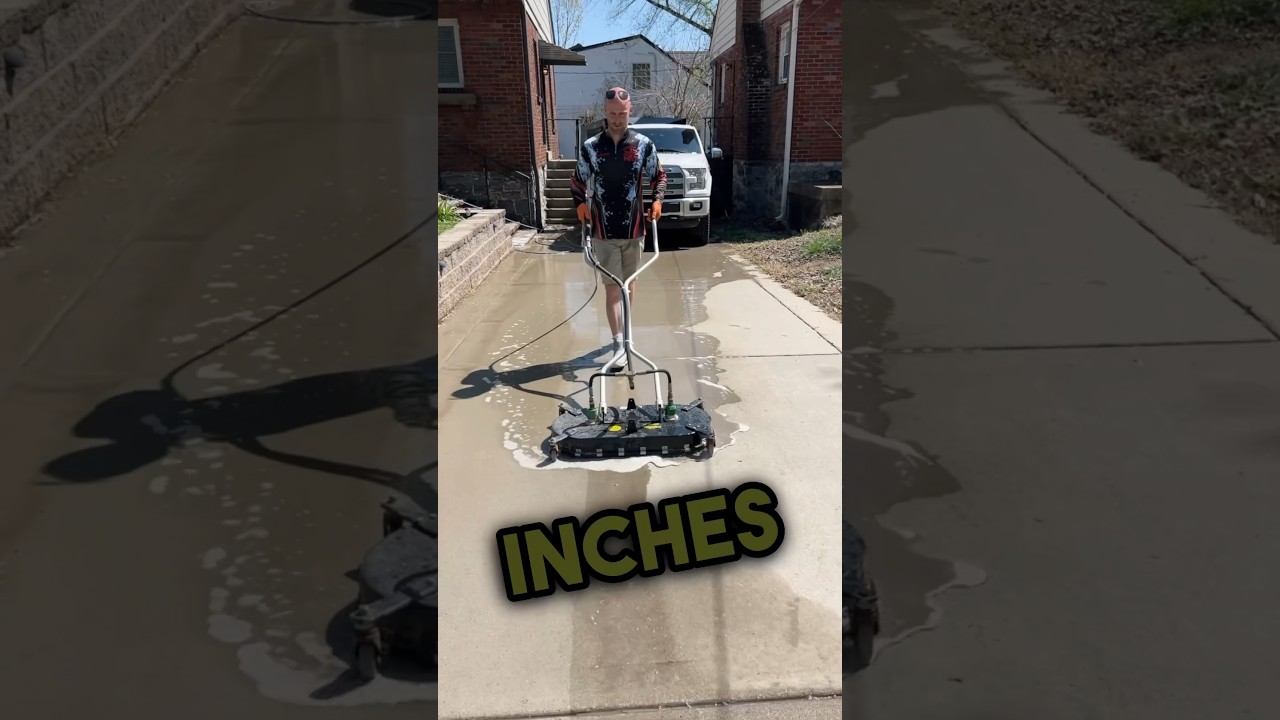
If an oil stain has been baked into your pavers for several seasons, consumer-grade cleaning supplies may reach their limit. Commercial pressure washing https://pressurecleaningwesternsydney.com.au/roof-cleaning/ technicians employ industrial hot-water units operating at elevated temperatures, which melt bonded hydrocarbons far more effectively than cold water pressure washers. Furthermore, trained professionals know how to clean stubborn brickwork without blowing out the crucial bedding sand that keeps driveway pavers level and stable.
Western Sydney Pressure Cleaning
Unit 2/1 Cowpasture Pl, Wetherill Park NSW 2164
(02) 9000 1596